The freedom of press and protection of whistleblowers
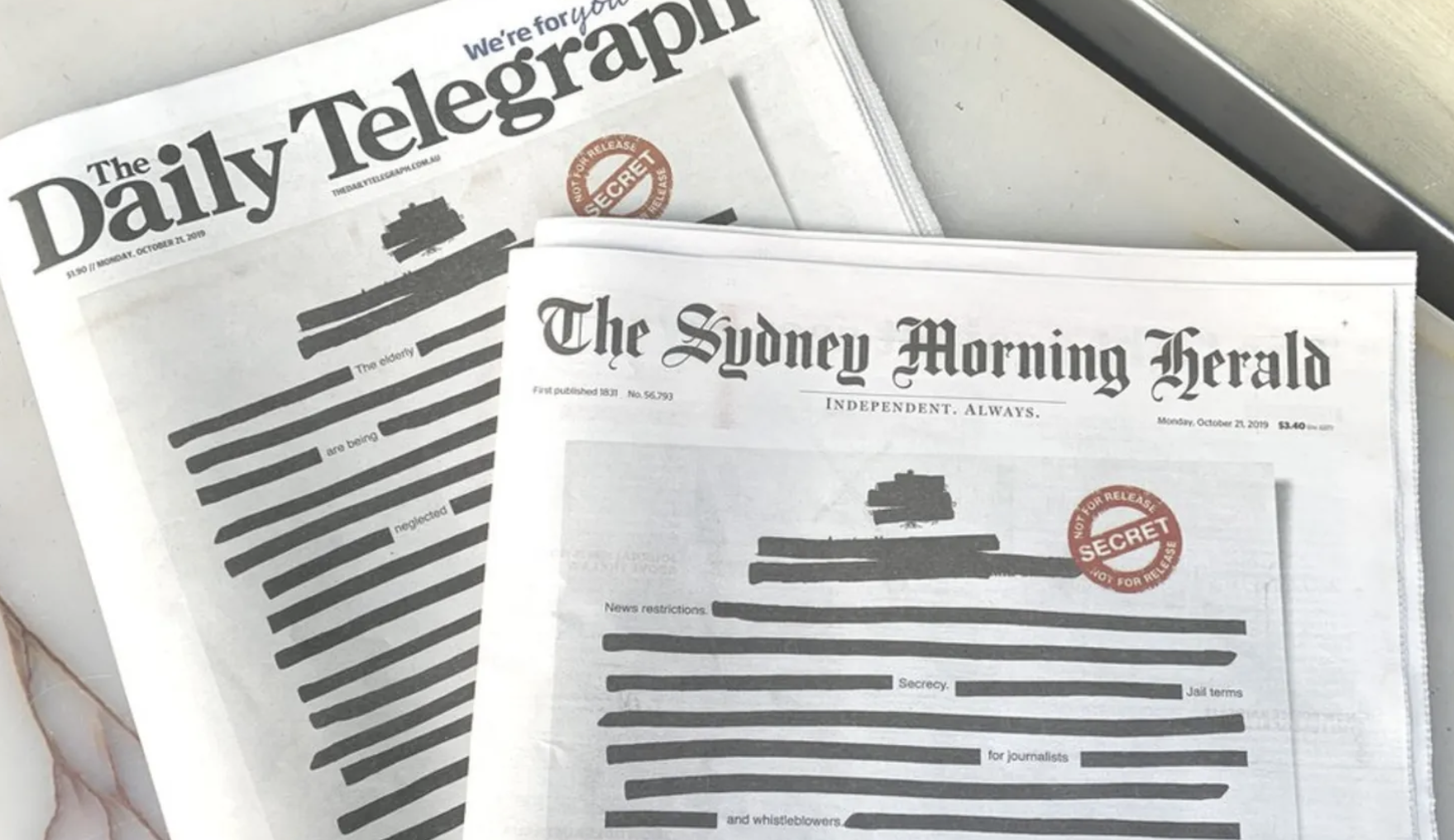
Introduction to the committee
The United Nations General Assembly (UNGA) is the main deliberative body of the United Nations. All member states are represented and each state has an equal vote. The General Assembly discusses a wide range of global political, economic, humanitarian and legal issues affecting the international community.
Defining the issue
Freedom of the press is a core component of the broader right to freedom of expression, which is enshrined in international human rights law and the universal Declaration of Human Rights (UDHR). This right includes freedom to hold opinions without interference and to seek, receive and impart information and ideas through any media. However, Article 19 of the International Covenant on Civil and Political Rights (ICCPR) introduces an important limitation clause, specifying that this right may be restricted where necessary for: “respect of the rights or reputations of others” or “the protection of national security or of public order, or of public health or morals.” This inherent tension between freedom and restriction lies at the heart of debates surrounding press freedom and whistleblowing.
A whistleblower is a person who reveals information about activity within a private or public organisation that is deemed illegal, immoral, unsafe or fraudulent. In the government context these disclosures often reveal corruption, fraud, environmental damage, human rights violations or threats to public safety. While international law does not provide a single comprehensive definition, whistleblowing is increasingly understood as an extension of the right to freedom of expression.
Historical background
International codification of freedom of expression only emerged after the Second World War with the adoption of the UDHR in 1948. During the Cold War, press freedom was often subordinated to ideological control. However, the post-Cold War era saw an expansion of global media networks and investigative journalism, accompanied by increased recognition of the role of information in democracies. In the twenty-first century, technological developments have fundamentally altered the landscape. Digital communication has enabled both unprecedented access to information and new forms of misinformation, surveillance and control.
Whistleblowers have historically played an important role in revealing abuses of power. One of the earliest examples of whistleblower protection dates back to 1778, when the United States Congress passed the first whistleblower protection law, encouraging individuals to report misconduct by government officials. Several high-profile whistleblower cases have shaped international debates, examples include: Daniel Ellsberg, who leaked the Pentagon Papers in 1971 exposing US government misinformation about the Vietnam War, Edward Snowden, who revealed global surveillance programs in 2013, Chelsea Manning, who leaked classified military documents about the Iraq and Afghan Wars to WikiLeaks and Julian Assange who founded Wikileaks, a website intended for leaking classified information anonymously.
Contemporary Challenges
One of the most significant challenges to press freedom and whistleblower protection is the increasing use of legal frameworks to restrict disclosure. States frequently rely on national security, anti-terrorism or defamation laws to prosecute individuals who reveal sensitive information. While such measures are often argued as necessary for maintaining public order, they may also be used to suppress legitimate criticism and investigative reporting. In addition to legal pressures, journalists and whistleblowers face serious physical risks. Violence against journalists remains a global concern, particularly in regions affected by conflict, organized crime or political instability. Technological developments have introduced further complexities. Digital surveillance tools allow state and non-state actors to monitor journalists and their sources. This undermines the confidentiality that is essential to investigative journalism and may deter potential whistleblowers from coming forward. At the same time, cyberattacks and online harassment have become increasingly common, posing both professional and personal risks to media actors.
Another emerging issue is the phenomenon of transnational repression, whereby states extend their reach beyond their borders to target journalists and whistleblowers abroad. This may take the form of extradition requests, surveillance or intimidation. Such practices challenge traditional notions of sovereignty and raise questions about the adequacy of existing international protections.
What the UN has already done
The United Nations has played an important role in promoting the safety of journalists and the protection of freedom of expression. In 2012, the UN adopted the Plan of Action on the Safety of Journalists and the Issue of Impunity, which aims to create a coordinated international framework for preventing violence against journalists and ensuring accountability. The UN Human Rights Council has also established a mandate on the promotion and protection of the right to freedom of opinion and expression, who monitors global developments and reports on violations. In addition, the General Assembly has adopted multiple resolutions condemning attacks against journalists and reaffirming the importance of a free and independent press. Despite these efforts, enforcement remains a significant challenge. International mechanisms rely heavily on state cooperation, and there are limited means of ensuring compliance where governments themselves are implicated in violations.
Key questions when researching your country’s position
Does my country guarantee freedom of the press constitutionally?
Are journalists frequently threatened, censored, or prosecuted?
Does my country have whistleblower protection laws?
How does my country treat leaks related to national security?
Has my country been involved in major press freedom controversies?
Does my country support international monitoring mechanisms?
How does my country regulate digital surveillance technologies?
Questions a resolution should answer
How can states ensure the safety of journalists in both conflict and non-conflict settings?
How can states combat misinformation without undermining press freedom?
What minimum standards should exist for whistleblower protection?
Should there be international mechanisms to investigate attacks on journalists?
How can digital surveillance be regulated to protect journalistic work?
What limits, if any, should exist on whistleblowing related to national security?
Should there be global accountability mechanisms for crimes against journalists?
Country suggestions
Countries involved in major whistleblower controversies:
United States
United Kingdom
Russia
China
…
Countries with strong press freedom traditions:
Norway
Germany
Canada
Netherlands
…
Countries where journalist safety is an issue:
Mexico
Philippines
Turkey
Saudi Arabia
…
Countries active in international media cooperation:
France
Brazil
India
South Africa
…