Rare Earth Minerals and their Extraction in Arctic Regions
Introduction to the Committee
The Arctic Council is the leading intergovernmental forum addressing issues concerning the arctic region. Founded in 1996, the Council promotes cooperation, coordination and interaction on common Arctic issues, particularly sustainable development and environmental protection. The Arctic Council is unique in several ways the primary one being that it grants Permanent Participant status to Indigenous peoples’ organizations. This makes the Arctic Council an especially suitable forum for addressing tensions between resource extraction, environmental protection, Indigenous rights and global economic demand.
The Arctic council is not actually a part of the UN but for the sake of this topic block we will be applying the same MUN rules and regulations as in a regular committee but with the permanent member states and indigenous groups having voting rights and other countries having an observer status.
Defining the Issue:
Rare earth elements (REEs) are a group of 17 chemically similar elements, including neodymium, dysprosium, and terbium which are essential for modern technologies, including wind turbines, electric vehicle motors, smartphones, semiconductors, data centres, military systems such as radar, guidance systems and satellites. As global demand for clean energy and advanced technologies increases, securing reliable access to rare earth minerals has become a strategic priority for many states.
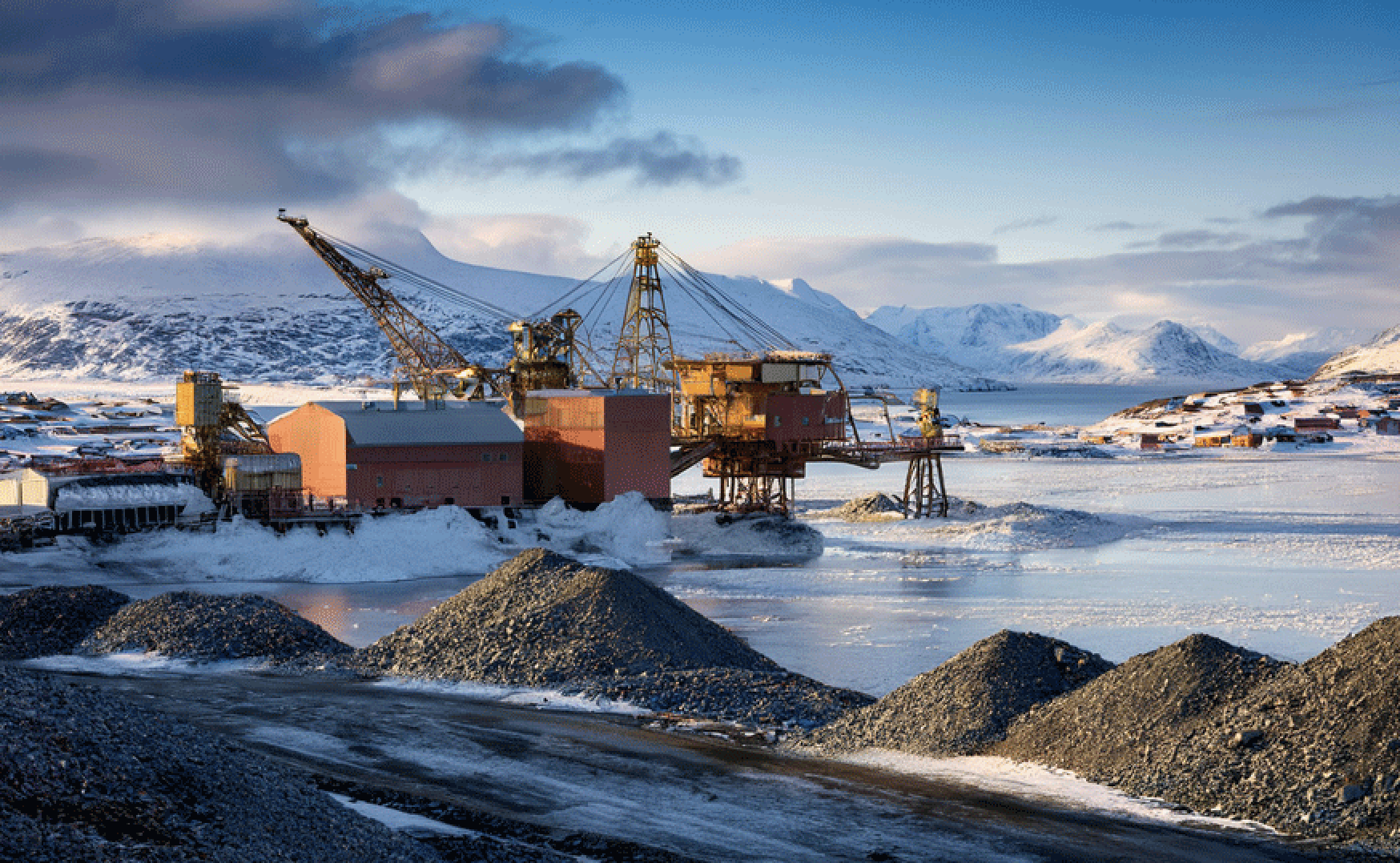
The Arctic is believed to hold significant untapped mineral resources, including rare earth elements, lithium, cobalt, and nickel. Climate change has accelerated ice melt, making previously inaccessible regions more reachable for exploration and extraction. However, Arctic extraction is uniquely challenging due to extreme climatic conditions, fragile ecosystems, limited infrastructure and emergency response capacity.
Mining in Arctic regions also carries disproportionately high environmental risks. Toxic waste, radioactive byproducts (especially from rare earth extraction) and potential water contamination threaten ecosystems already under stress from climate change. Equally important are the social impacts, particularly on Indigenous communities whose livelihoods often depend on things like hunting, fishing and reindeer herding. For many Arctic Indigenous peoples, land is not only an economic resource but a core component of cultural identity and self-determination.
Rare earth supply chains are highly concentrated globally, with China dominating processing capacity. Arctic extraction is therefore increasingly framed as a way to reduce strategic dependencies, strengthen national security and secure leverage in global trade and diplomacy. This has intensified geopolitical competition in the Arctic.
Climate change and sea ice melting is also opening new maritime pathways, most notably the Northern Sea Route and potentially, the Northwest Passage. The governance of these routes is highly contested. These routes significantly shorten shipping distances between Europe, Asia, and North America. Their relevance lies inthe fact that extracted minerals require transport to global markets, shipping infrastructure often precedes or accelerates extraction, increased traffic raises risks of oil spills, accidents, and environmental degradation. While some states view Arctic shipping as an economic opportunity, others emphasize the lack of legal clarity, environmental safeguards, and emergency response mechanisms.
Key Questions When Researching Your Country’s Position
Does my country have known or potential rare earth deposits in Arctic regions?
How does my country balance economic development with environmental protection?
What is my country’s relationship with Indigenous communities in the Arctic? How important are Arctic shipping routes to my country’s trade or security strategy?
Questions a Resolution Should Answer
Should the Arctic Council establish common environmental standards for rare earth extraction?
How can Indigenous communities be protected?
Should extraction be linked to mandatory environmental impact assessments?
How can Arctic shipping related to mining be regulated sustainably?
Is there a role for international monitoring or reporting mechanisms?
Who has a claim to new potential shipping routes?
Suggested Country and organisations
Arctic States (permanent members with voting rights):
Canada
Denmark
Finland
Iceland
Norway
Russia
Sweden
United States
Indigenous organizations (permanent members with voting rights)
Aleut International Association
Represent the Aleut (Unangan) people living in Alaska and Russia, all around the Bering Sea
Concerned with marine protection, impacts of climate change and the effects of commercial fisheries on the ecosystem of the Bering Sea
Arctic Athabaskan Council
Represent the Athabaskan people of Alaska and northernwestern Canada
Primarily inland, concerned with environmental consequences of mining
Gwich’in Council International
Represent the Gwich’in people of Alaska and northwestern Canada
Concerned with ecological protection
Inuit Circumpolar Council
Represent Inuits across Alaska, Canada, Greenland and Chukotka (Russia)
Concerned with long-term policies that safeguard the Arctic environment and self-determination
Russian Association of Indigenous People of the North
Represents 40 Indigenous groups in Russia
Concerned with consequences of large-scale extractive industry and infrastructure
Saami Council
Represent the Saami people across Norway, Sweden, Finland and Russia
Concerned with mining interrupting local ecosystem
Observers (no voting rights):
China
France
Japan
South Korea
India
United Kingdom
…